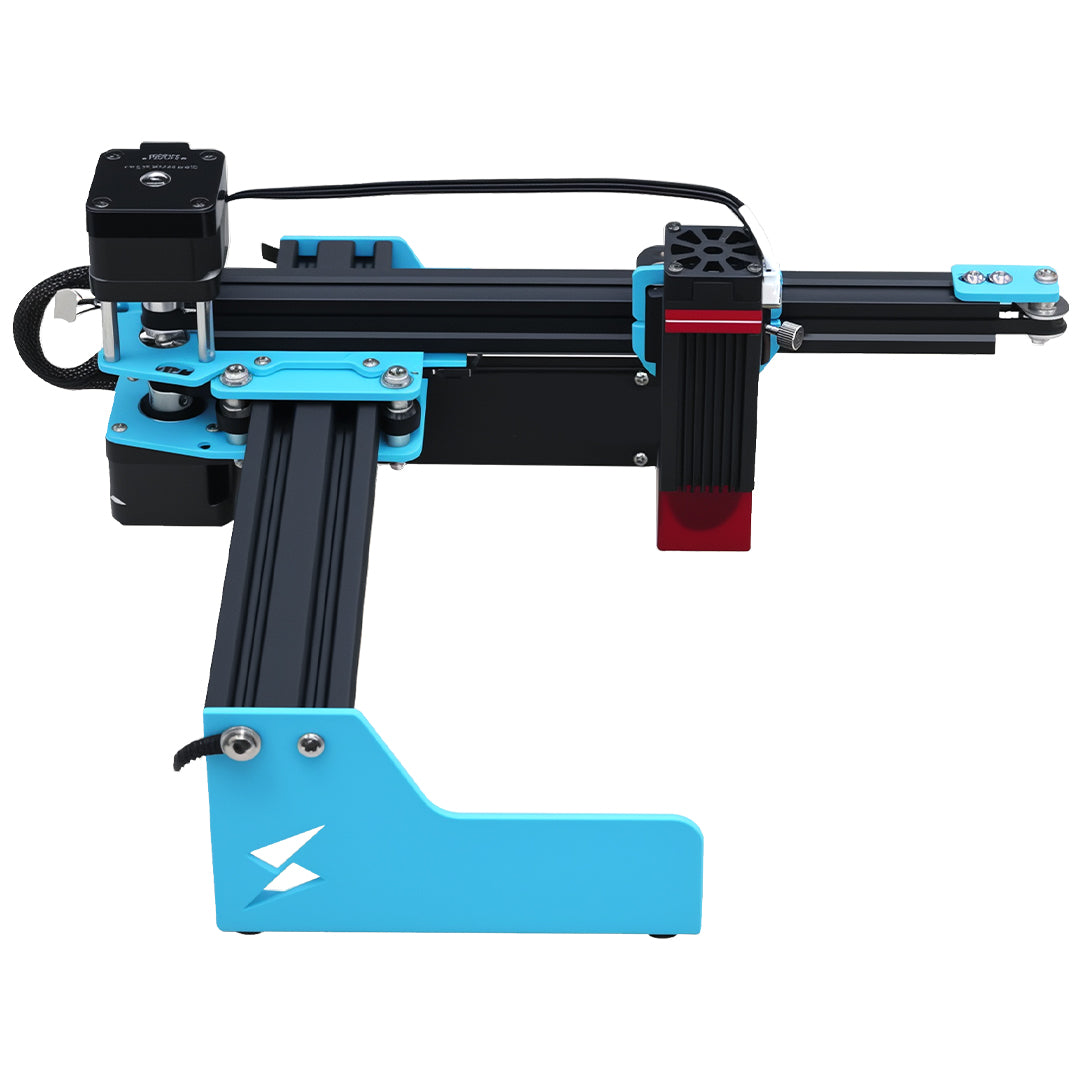


Choose the identified, supplier-confirmed material that produces an acceptable coupon in your actual A1 Mini setup. Thin basswood may avoid plywood's layered adhesive structure, but the name alone does not guarantee flatness, clean separation, or compatibility. Plywood likewise varies by veneer, glue, thickness, and hidden defects; compare the actual stock rather than borrowing settings from a wood label.
A beginner setup discussion warns about problems associated with plywood glue and voids. The useful lesson is to inspect construction and results, including the underside. A history of successful pieces does not prove every area of the next sheet will behave identically.
Compare two known coupons, not two product names
Ask the supplier to identify the species, thickness, adhesive or finish where applicable, and suitability for the intended laser process. Reject unknown coatings or unidentified composite stock from the comparison. Measure actual thickness at several points and note visible warp before choosing a sample location.
Use only a material and procedure permitted by the current A1 Mini guidance. Keep extraction, fire precautions, and an attending operator in place throughout processing and follow the documented post-job inspection procedure. If the material behaves abnormally, stop according to those instructions; do not keep adding passes to force a result.
| First-project comparison | Basswood coupon | Plywood coupon |
|---|---|---|
| Stock identity | Species, lot, finish | Veneers, adhesive information, lot |
| Flatness | Measured or observed bow | Bow and layer condition |
| Edge result | Fibers and discoloration | Layer-by-layer separation and discoloration |
| Underside result | Incomplete regions or residue | Incomplete regions, void-related variation |
| Cleanup burden | Accepted finish after permitted cleanup | Accepted finish after permitted cleanup |
Keep the source filename and exact tested configuration beside each result in the test-coupon record guide. Do not merge observations from different sheet lots into a single “wood setting.” A coupon that worked near one corner may not represent a visibly different or damaged portion of the sheet.
Choose for the finished object
For a small decorative silhouette, judge edge appearance and the effort needed to reach the desired finish. For a fitted kit, thickness consistency and intact tabs also matter. An easy-looking surface result is insufficient if slots do not assemble or cleanup damages thin features.
The A1 Mini listing gives a 120 × 130 mm working area; it does not establish a universal cutting thickness for either wood. Keep the proof within the verified field and current material limits. If the project has several similar pieces, build an assembly map before committing the qualified stock.
Is basswood always the better beginner choice?
No. Known stock with a repeatable acceptable proof matters more than the species name. Poorly identified, warped, or finished basswood may be a worse starting point than well-documented plywood.
Can I reuse settings when the supplier changes?
Treat the new stock as a new qualification. Differences in thickness, adhesive, finish, or internal structure can change the result even when the invoice uses the same material description.